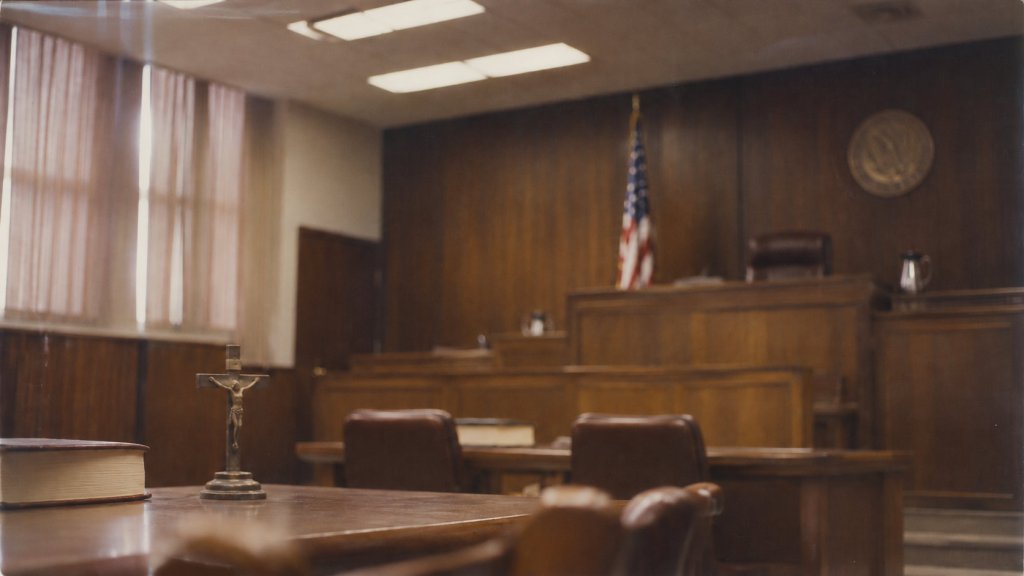
In 1981, an American courtroom was faced with an extraordinary question. Could the Devil be responsible for a murder?
That was the argument lawyer Martin Minnella wanted to put before a jury in Connecticut. His client, Arne Cheyenne Johnson, was accused of fatally stabbing a man. But according to the defence, Johnson hadn’t been acting of his own free will. A demon had supposedly taken control of him.
The judge, however, refused to let the jury hear it.
So why was demonic possession considered unacceptable as a defence?
On 16 February 1981, Johnson stabbed 40-year-old Alan Bono in Brookfield, Connecticut. Bono managed a boarding kennel where Johnson’s girlfriend, Debbie Glatzel, worked, and the two men knew each other.
The circumstances leading up to the killing was up for argument. Prosecutors portrayed it as a violent confrontation involving jealousy, while witnesses sympathetic to Johnson described Bono behaving aggressively. Whatever started the altercation, Bono lost his life and Johnson was charged with murder.
But the defence had a rather unusual reason for what happened!
Months earlier, Debbie’s 12-year-old brother, David, had reportedly experienced frightening visions and disturbing behaviour. His family believed he was possessed, and paranormal investigators Ed and Lorraine Warren became involved.
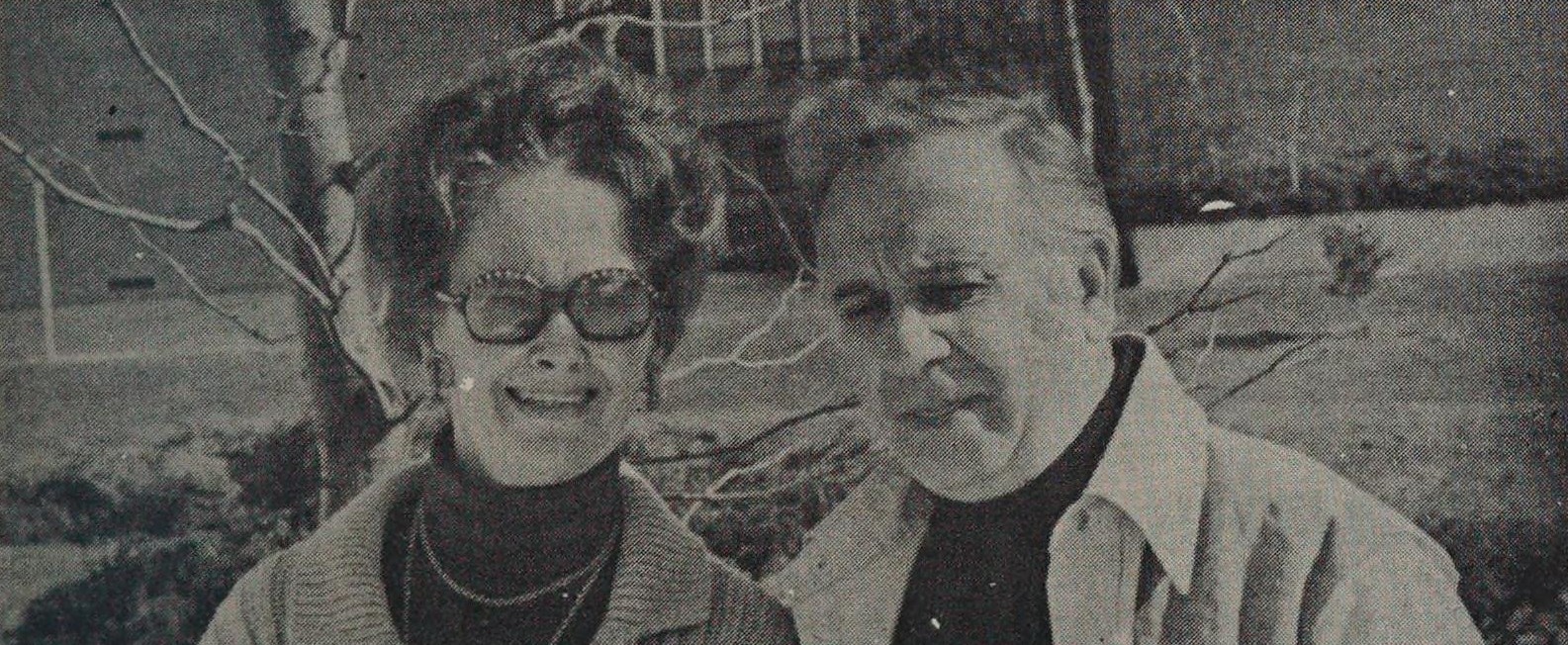
According to the family and the Warrens, Johnson challenged the supposed demon to leave David alone and possess him instead. They claimed that the entity took him up on the offer.
Catholic priests had reportedly performed prayers and lesser religious rites for David. However, the Diocese of Bridgeport had not authorised a formal exorcism. Church officials said psychological assessments were needed before such a decision could be made.
Minnella nevertheless hoped to call priests as witnesses. He wanted to establish that demonic possession was recognised in Catholic teaching and argue that Johnson couldn’t be held responsible for actions allegedly controlled by something else.
On 28 October 1981, during jury selection, Judge Robert J. Callahan put a stop to the plan.
“Evidence of demonic possession is simply not relevant,” he declared.
Callahan considered testimony about religious beliefs in possession unreliable for the purposes of the trial, warning that it could mislead the jury. Minnella objected and challenged the ruling the following day. ut the judge wouldn’t change his mind.
And here’s where things get particularly interesting.
Callahan wasn’t claiming to have disproved the existence of demons. In fact, he told Minnella, “I’m not saying I don’t believe in demonic possession.”
His point was that it wasn’t a recognised legal defence.
There’s quite an important difference here. Someone may really believe they’ve been possessed, and witnesses might sincerely share that belief. But does that prove what actually occurred?
A court needs evidence that can be examined and challenged. Proving that a religion teaches the possibility of possession wouldn’t demonstrate that a demon had controlled Johnson when Bono was killed. Nor would it really confirm that Johnson lacked criminal intent.
With the possession argument out, Minnella shifted towards self-defence. On 24 November 1981, the jury found Johnson guilty of first-degree manslaughter rather than murder. He was sentenced to between ten and twenty years in prison and served approximately five.
The supernatural claims would continue to attract attention long after the trial. Yet behind the stories of demons and exorcisms was something far less mysterious. A man had been killed, and the court had to decide who did it.
Perhaps the most striking thing about Callahan’s decision is what it didn’t try to settle. He wasn’t being asked to judge whether the Devil existed. He was deciding whether a claim about the Devil could be treated as evidence in a murder trial.
And there’s a pretty big difference between believing something happened and being able to prove it.


Leave a Reply