For film fans, the words Director’s Cut or Extended Edition can be difficult to resist. More scenes, more character development and more of a film we already love. What’s not to like?
Potentially quite a lot. Because while some films genuinely benefit from restored footage, others lose something in the process. A scene might be fascinating on its own yet disrupt the pacing of an otherwise tightly constructed film.
So when does adding footage improve a movie, and when would it have been better left on the cutting-room floor?
We’ll explore that in a little while. But first, why don’t we look at some of the reasons scenes are cut from our favourite movies, aside from pacing? You might be surprised by some of them!
Deciding what works in a film, and what doesn’t, can be difficult. Sometimes a scene might give away something the audience isn’t supposed to know until later. Removing it can preserve the suspense and mystery. Other times, a scene might reveal too much about a character or explain something that was more effective left unexplained.
One of the most interesting examples came with 1986’s Little Shop of Horrors. Its original ending killed off the two main characters, Seymour and Audrey, whom test audiences had become emotionally attached to. Their reaction was so negative that the filmmakers abandoned the ending in favour of a happier conclusion.
And sometimes, a simpler solution works better.
In Rogue One: A Star Wars Story, the original climax involved the protagonists travelling across a beach to reach a separate transmission tower. Director Gareth Edwards explained that relocating the tower eliminated that journey and tightened the final act. Footage shot for the original version even appeared in trailers but not the finished film.
Perhaps one of the most famous examples from the last forty years involves the original Back to the Future from 1985. Eric Stoltz had already spent several weeks filming scenes as Marty McFly. However, his performance wasn’t delivering the humour the filmmakers wanted, and he was replaced by Michael J. Fox. Admittedly, that’s a more extreme example because it involved replacing an actor and reshooting substantial portions of the film rather than simply removing a few scenes.
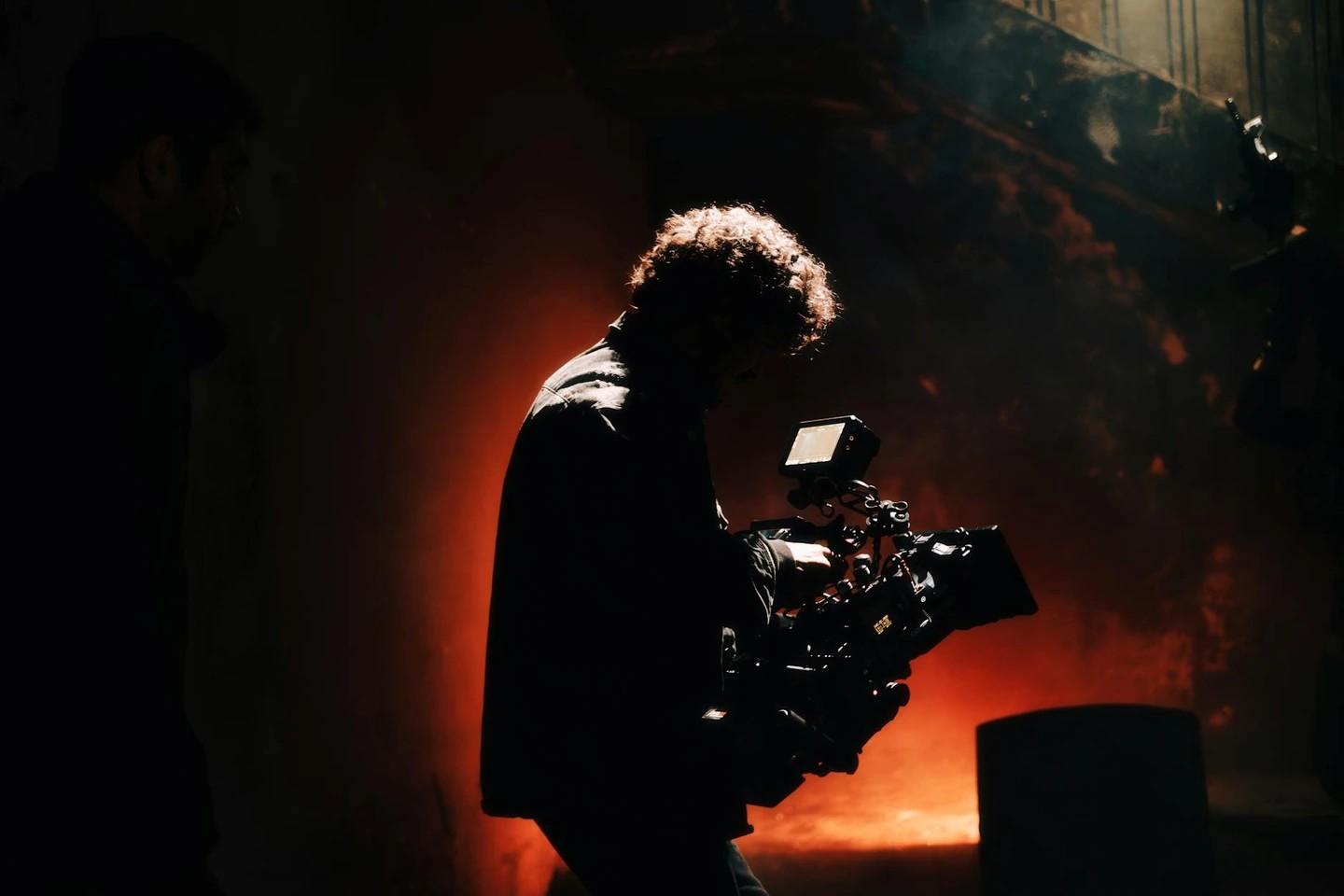
But what about films that have actually been released in different versions?
1986’s Aliens received a Special Edition that restored footage giving Ellen Ripley greater emotional depth. One particularly important scene reveals that her daughter died while Ripley was in hypersleep, adding another layer to her growing attachment to Newt. However, the extended version also sacrifices some of the mystery by showing the colony before the Marines arrive.
Superman II (1980) had a very troubled and well-documented production. Original director Richard Donner, who made the 1978 film, was removed from the sequel, and Richard Lester took over, making significant changes.
In 2006, Superman II: The Richard Donner Cut was released, reconstructing Donner’s intended version using substantial amounts of his original footage, along with alternative and rearranged scenes. Some sequences even had to use screen-test footage because the necessary scenes had never been completed, so the finished cut occasionally looks a tad rough. But it demonstrates just how different a film can become when a different director’s vision is brought to the screen.
Do I prefer the Donner Cut? Not really. I’d say I enjoy both versions equally. The rough quality of some of the footage in Donner’s version detracts from my enjoyment a little. And say what you want about Richard Lester’s changes, but that whole Paris sequence near the beginning of the movie is great!
Halloween from 1978 is a bit of a different case. For its American television debut in 1981, additional scenes were shot to help fill a two-hour broadcast slot after material had been removed for television. What we got was more background on Michael Myers as a patient at Smith’s Grove Sanitarium, as well as additional information surrounding his escape. Other characters also received a little more screen time.
Halloween was, and still is, quite a slow-moving horror film. It takes its time setting up the story and soaking the audience in atmosphere and a sense of dread. In my view, the added sequences only serve to slow the rhythm even further. Versions incorporating the additional television footage have since received home-video releases. However, it’s worth noting that these aren’t identical to what audiences saw on television in 1981. They combine the uncut theatrical version with the additional scenes filmed for television.
Finally, Terminator 2: Judgment Day has appeared in several different cuts. There’s the theatrical version, the Special Edition and the Extended Special Edition, which includes an alternative ending and an additional scene not found in the standard Special Edition.
Some of the restored scenes are genuinely good and give the film added emotional depth. Sarah’s dream in which she reunites with Kyle Reese is a great example. But viewers might find themselves having to choose between the tighter pacing of the theatrical version and the greater depth and context of the longer cuts.
Ultimately, there is no guarantee that adding footage will make a film better. Sometimes it provides greater emotional depth, strengthens the story or brings us closer to the director’s original vision. Other times, it slows the pacing or disrupts something that already worked perfectly well.
Perhaps the real question isn’t how much footage a film contains, but whether that footage makes the overall experience better.
After all, more isn’t always better.


Leave a comment